Drive-Thru Solution in Saudi Arabia: Unify Lane and Lobby Flow
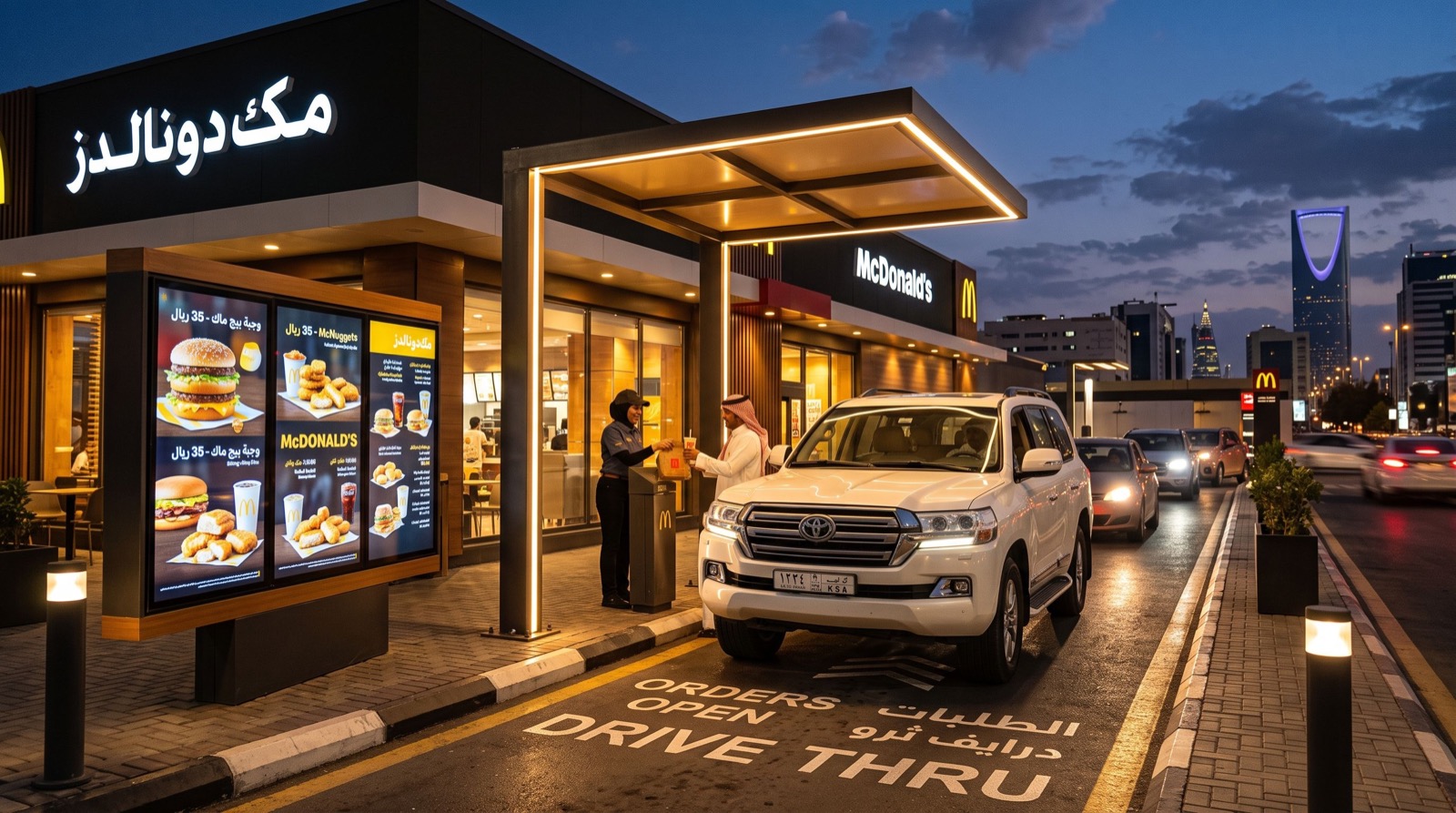
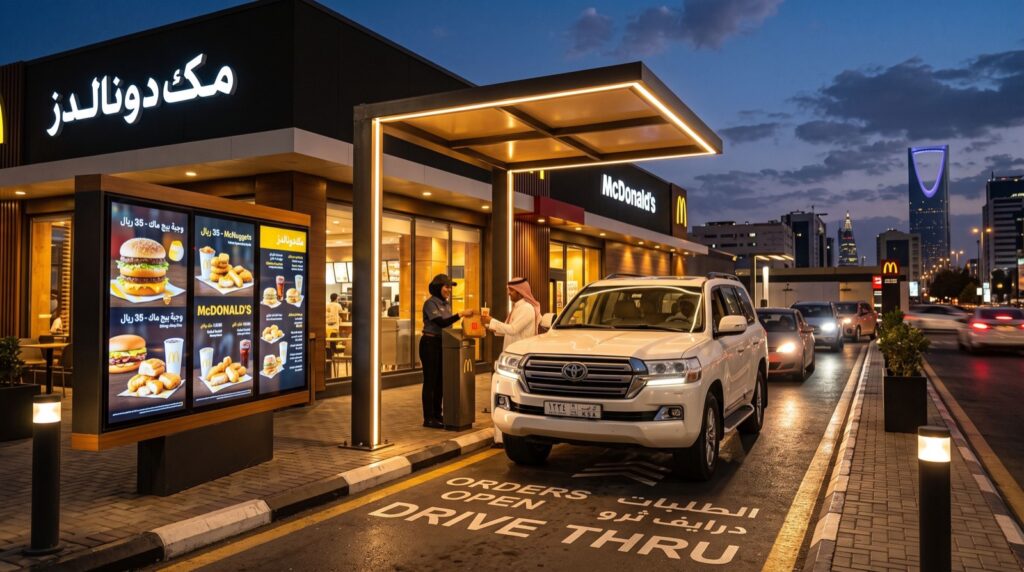
The smartest operators in 2026 stop treating the lane and the counter as separate worlds. A unified Drive-Thru Solution in Saudi Arabia connects outdoor vehicle flow with indoor queuing, so one dashboard shows every customer waiting for you, in a car or at the counter. This guide explains how that single view reduces abandonment, balances staff, and lifts revenue across multi-site operations.
Most brands optimize one channel and ignore the other. The result is a fast lane with a stalled lobby, or a tidy counter while cars pile up outside. Joining the two is where the next big efficiency gains live.
Why Unified Customer Flow Beats Siloed Fixes
When the drive-thru and lobby run on separate systems, managers fly blind. They cannot shift a free cashier to the window, or pull a lane worker to the counter, because they never see the full picture. A connected Drive-Thru Solution in Saudi Arabia removes that blind spot and lets staff follow demand in real time.
Consumer data compiled by Statista shows that convenience and speed now rank among the top reasons customers choose one quick-service brand over another. Unifying your channels is a direct answer to that expectation.
What “unified flow” actually means
- One dashboard for lane cars and lobby tickets.
- Shared staff pool that moves where demand is highest.
- Consistent timers so both channels are measured the same way.
- Cross-channel alerts when either side backs up.
Reducing Abandonment on Both Sides
Abandonment is the silent killer of revenue. Cars balk at the lane; walk-ins give up at the counter. The fixes rhyme: show progress, estimate waits honestly, and keep the line visibly moving.
- Display estimated wait times at the speaker and the lobby screen.
- Trigger greetings instantly with vehicle sensors and check-in kiosks.
- Balance staff dynamically using the shared dashboard.
- Confirm orders clearly to prevent remakes that clog the system.
For indoor flow, pairing your lane technology with a proven queue management system in pakistan deployment model gives multi-country chains a tested blueprint for counter queuing they can replicate across regions.
Comparing Siloed vs Unified Operations
The table makes the contrast concrete for decision-makers weighing the upgrade.
| Factor | Siloed setup | Unified solution |
|---|---|---|
| Staff flexibility | Fixed per channel | Shifts to demand |
| Visibility | Two partial views | One full dashboard |
| Wait estimates | Inconsistent | Accurate, shared |
| Abandonment | Higher | Lower |
| Reporting | Manual stitching | Automatic, cross-site |
Rolling It Out Across Multiple Sites
Multi-site chains need consistency, not one-off hero branches. Standardize your service categories, timer definitions, and dashboards before you expand, so head office compares apples to apples. A unified Drive-Thru Solution in Saudi Arabia that supports central configuration lets you push a tuned setup to every new location in days, not weeks.
A practical rollout tip
Pick your two most different branches for the pilot, one high-volume urban site and one quieter suburban site. If the unified model works at both extremes, it will work everywhere in between, and your rollout playbook will already cover the edge cases.
Integrations That Make Flow Seamless
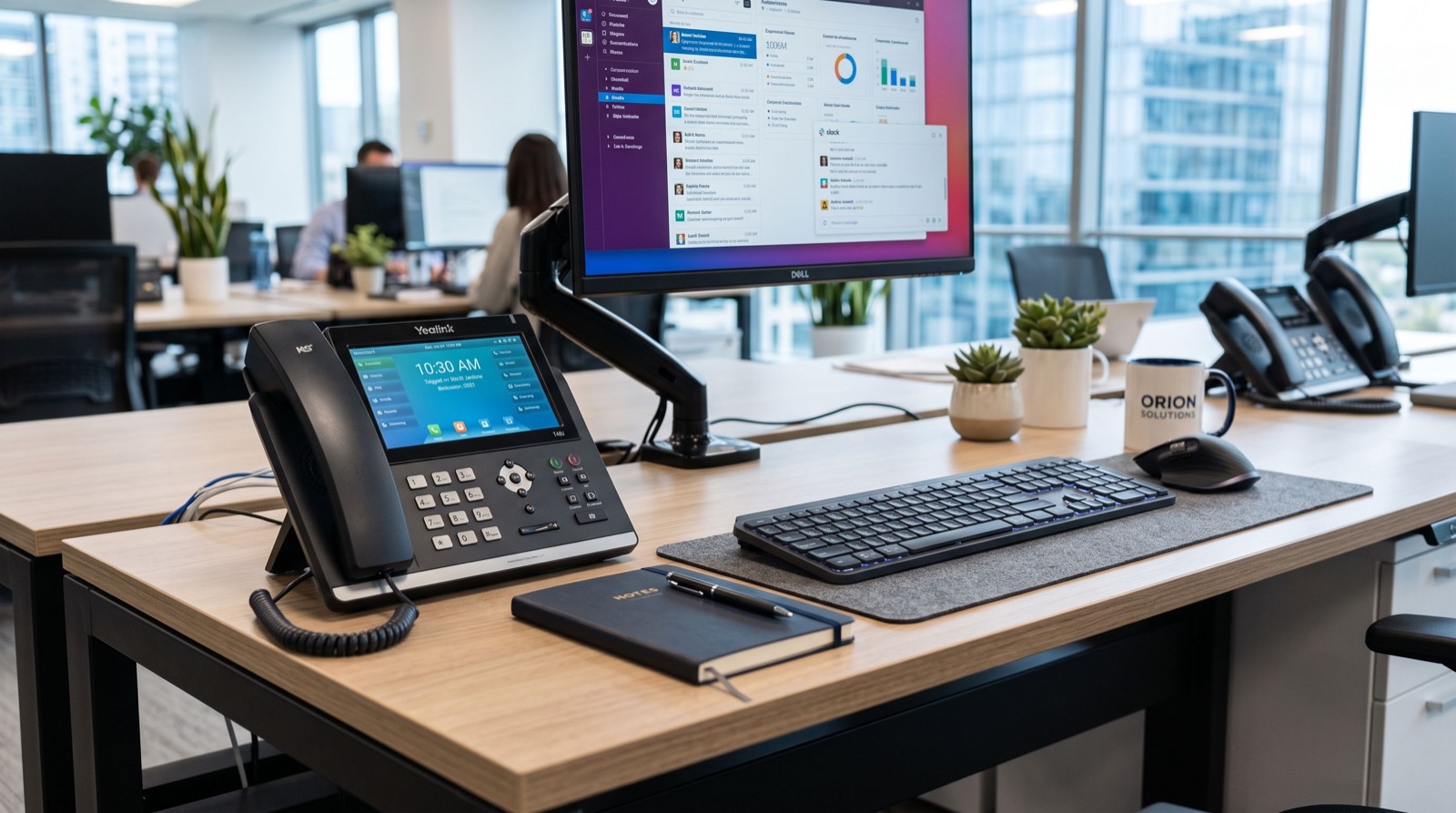
A connected lane does not live alone. It talks to your POS, kitchen display, and communication tools so nothing falls through the cracks. Reliable staff communication hardware matters too; many operators source headsets and in-store phones from trusted professionals who support both the lane and the back office.
- POS integration for accurate, instant order flow.
- Kitchen display syncing so prep matches demand.
- SMS and app alerts for lobby customers who step away.
- Central analytics feeding regional performance reviews.
Measuring the Combined Payoff
Judge a unified Drive-Thru Solution in Saudi Arabia on cross-channel metrics, not single-lane vanity numbers. Track total customers served per hour across both channels, blended average wait, and abandonment on each side. When staff flexibility rises, you will often serve more customers with the same headcount, which is the clearest sign the investment is working.
Add a monthly review ritual. Compare branches on the same dashboard, copy what the top performer does, and coach the laggards. The system supplies the data; your management rhythm turns it into profit.
Training Teams for Cross-Channel Service
Unified technology demands flexible people. When staff can move between the lane and the counter, a few cars or a lobby surge no longer derails the shift. Training is what makes that flexibility real rather than theoretical.
- Cross-train every role. Window, counter, and kitchen staff should each cover a second station.
- Rehearse the handoff. Practice shifting a cashier to the window the moment the dashboard flags a backup.
- Standardize greetings. Consistent language across channels keeps the brand experience uniform.
- Review peak replays. Walk the team through the busiest 30 minutes and spot where flow stalled.
In our experience, the cultural shift matters as much as the tooling. Teams that see the lane and lobby as one shared goal, rather than rival territories, serve noticeably faster. Managers reinforce this by celebrating combined throughput instead of single-channel heroics.
Turning data into daily habits
A dashboard only helps if someone acts on it. Build a short pre-shift huddle around yesterday’s numbers: where did cars balk, when did the lobby back up, and who covered the gap. These five-minute habits compound into steady, measurable gains across every site over a quarter.
Frequently Asked Questions
What makes a unified Drive-Thru Solution in Saudi Arabia different?
It connects outdoor lane flow with indoor queuing on one dashboard, so staff and managers see every waiting customer. That shared view lets teams balance workload and cut abandonment on both sides at once.
Can small chains benefit, or only large ones?
Both benefit. Small chains gain staff flexibility and clearer reporting, while large chains gain standardized, repeatable rollouts across dozens of sites. The model scales up and down.
How hard is it to connect lane and lobby systems?
With the right platform it is straightforward. Modern solutions are built to integrate POS, kitchen displays, and queuing on one backbone, which avoids the messy stitching of separate vendors.
What is the first step to get started?
Run a two-branch pilot using your most different locations. Standardize categories and timers first, measure the baseline, then compare after go-live to prove the gain before a full rollout.
Conclusion
Treating the lane and lobby as one system is the next frontier for quick-service efficiency. A unified Drive-Thru Solution in Saudi Arabia reduces abandonment, balances staff, and gives multi-site operators one clear view of every customer. Standardize, pilot smart, and measure across channels. In 2026, the brands that connect their flow will serve more people with less stress. Ready to unify your operations? Request a flow assessment and design your pilot today.