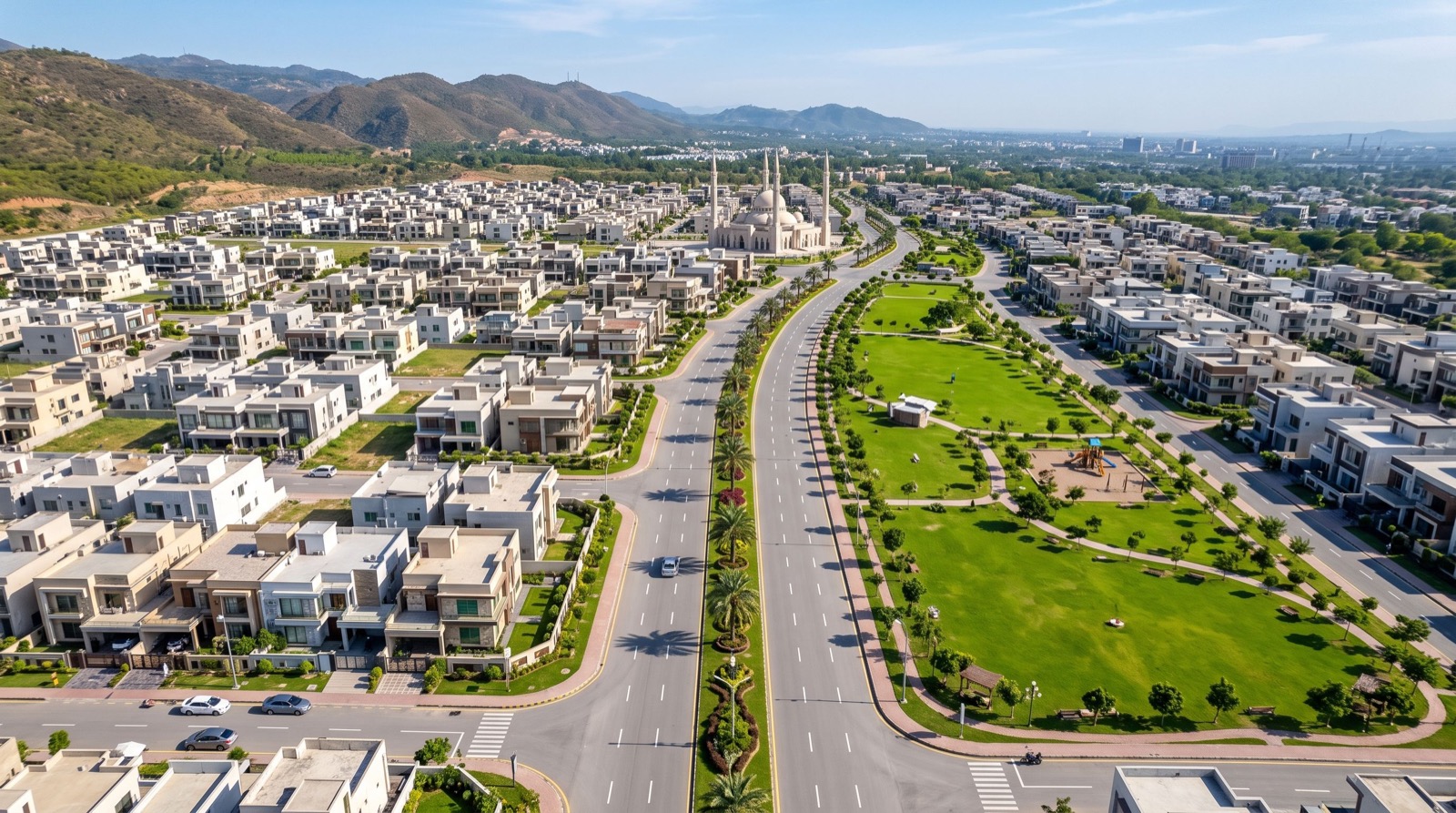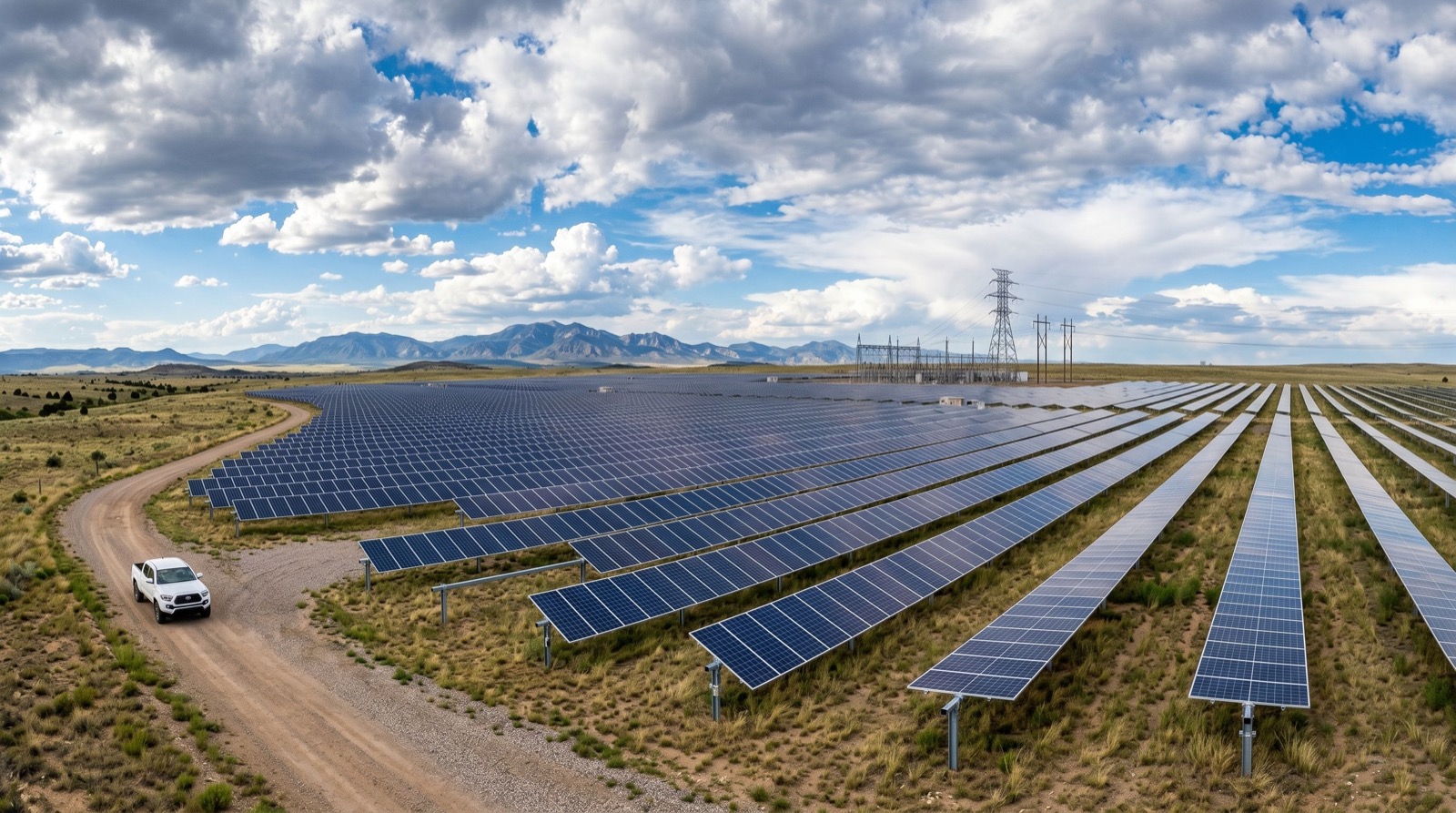
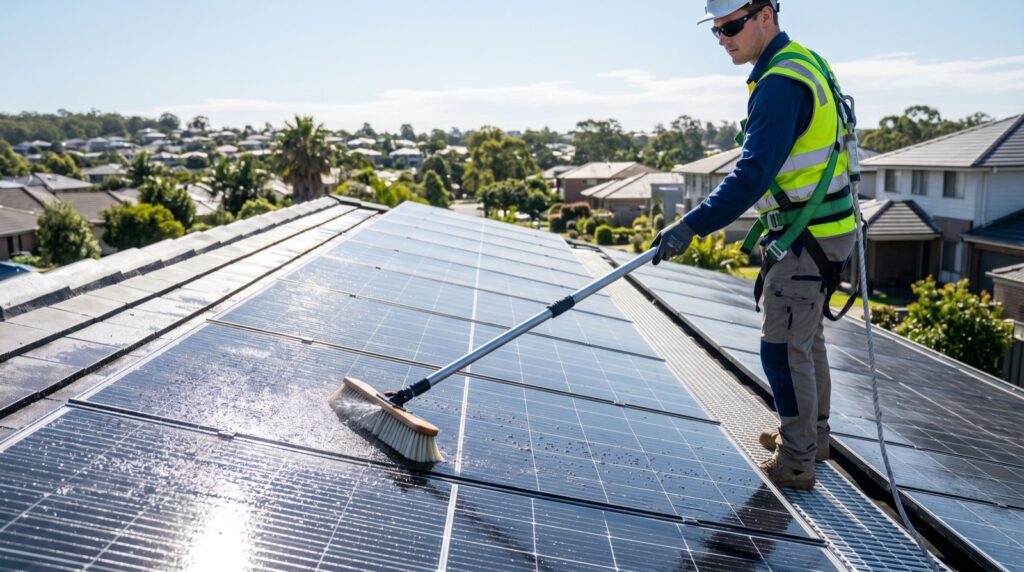
The twin cities of Rawalpindi and Islamabad sit side by side, yet they experience electricity in very different ways. Islamabad’s planned sectors enjoy relatively stable supply, while Pindi’s older neighbourhoods still wrestle with unpredictable outages and climbing tariffs. What both cities share, however, is a growing frustration with monthly bills that seem to rise no matter how carefully families and businesses try to conserve.
Against this backdrop, a smarter breed of solar setup has been quietly winning converts. The hybrid system, which blends solar generation, battery backup, and a live connection to the grid, offers the best of every world. It keeps the lights on during outages, slashes bills during the day, and can even turn your rooftop into a small source of income. This guide explains how it all fits together for households across the twin-cities region.
Why Hybrid Beats a Simple On-Grid Setup
A basic grid-tied system is wonderful until the power cuts out, at which point it shuts down for safety and leaves you as dark as your neighbours. A pure off-grid system, on the other hand, works during outages but forces you to buy expensive batteries large enough to survive every cloudy stretch. The hybrid design threads the needle between these two extremes.
By combining panels, a modest battery bank, and a grid connection, a hybrid setup uses each resource where it makes the most sense. Sunlight powers the home by day, batteries cover the critical loads when the grid fails, and the public network fills any remaining gaps. Families in Pindi’s outage-prone areas find this resilience especially valuable, since it keeps fans, lights, and internet running through the cuts that used to derail their evenings.
Understanding How Excess Power Earns You Money
One of the most transformative features of modern rooftop solar is the ability to sell surplus electricity back to the utility. On a bright afternoon, a well-sized array often produces more than a home can use. Rather than wasting that energy, an approved bidirectional meter exports it to the grid and credits your account for every unit sent out.
Setting this up correctly requires paperwork, technical compliance, and coordination with the distribution company, which is why many homeowners lean on professionals to handle the process. Arranging net metering in Islamabad through an experienced team means your application, wiring, and meter installation all meet the standards required for approval, sparing you months of back-and-forth with officials.
Sizing a System for Twin-Cities Living
No two households consume electricity the same way. A family that runs air conditioning through the long Islamabad summer has very different needs from one that mostly uses fans and lights. Proper sizing begins with a look at twelve months of past bills, because those numbers reveal the true shape of your demand across the seasons.
From there, a designer maps your daytime usage against your evening peaks and decides how much battery storage genuinely earns its cost. Oversizing wastes money on capacity you will never use, while undersizing leaves you short during a heatwave. The goal is a system tailored precisely to how your household actually lives, not a generic package pulled off a shelf.
The Value of Local Knowledge
Solar is not a one-size-fits-all product, and regional factors shape every installation. Roof angles, shading from neighbouring buildings, the specific distribution company serving your sector, and even local weather patterns all influence the final design. This is where hiring people who know the ground truly pays off.
Just as you would call in reliable local experts for any specialised job around a property, solar installation rewards teams who understand the twin cities intimately. They know which sectors face the toughest approval hurdles, how the afternoon sun tracks across a Margalla-facing roof, and which components hold up best against the region’s dust and summer heat.
Backup Power That Actually Works During Outages
Ask anyone who has sat through a three-hour cut in the middle of a July afternoon: reliable backup is not a luxury, it is a lifeline. The hybrid system’s battery bank steps in the instant the grid drops, keeping essential circuits alive without the noise, fumes, or fuel costs of a diesel generator.
The key is choosing which loads to protect. Most families prioritise lights, fans, routers, and a refrigerator, reserving heavier appliances for grid or solar hours. A thoughtfully configured backup keeps daily life uninterrupted while keeping battery costs sensible. For anyone weary of scrambling for candles, this quiet, automatic transition feels almost magical the first time they experience it.
Choosing an Installer You Can Trust
The market is crowded with vendors, and quality varies wildly. A cut-price installation using substandard panels or a mismatched inverter can cost you far more in the long run than a properly engineered system would have. Reputation, warranties, and a track record of completed projects tell you far more than a low quotation ever could.
Partnering with an established solar company in Rawalpindi gives you the reassurance of proper design, genuine components, and support that continues long after commissioning. A good installer will walk you through every option, explain the trade-offs honestly, and stand behind their work when you need them years down the road.
Key Takeaways
- Hybrid systems combine solar, batteries, and the grid to deliver both savings and outage protection.
- Net metering lets your rooftop export surplus power and earn credits from the utility.
- Accurate sizing starts with a full year of past electricity bills.
- Local installers understand sector-specific approvals, shading, and weather in the twin cities.
- Battery backup keeps essential circuits running silently through grid outages.
- A reputable installer with strong warranties matters more than the lowest price.
Powering the Twin Cities Forward
For households in Rawalpindi and Islamabad, the calculation has shifted decisively. Between rising tariffs, frequent outages, and the chance to earn money from surplus generation, a hybrid rooftop system now pays for itself faster than most people expect. It answers the two biggest complaints at once: high bills and unreliable supply.
The technology is mature, the approval pathways are well established, and the local expertise is readily available. If you are tired of watching your bill climb while your power flickers, the twin cities have never offered a better moment to take control of your electricity and let your roof start working for you.